What I Learned in the MSBA That Got Me Hired
A year of technical training, client work and mentorship prepared me for a career in tech
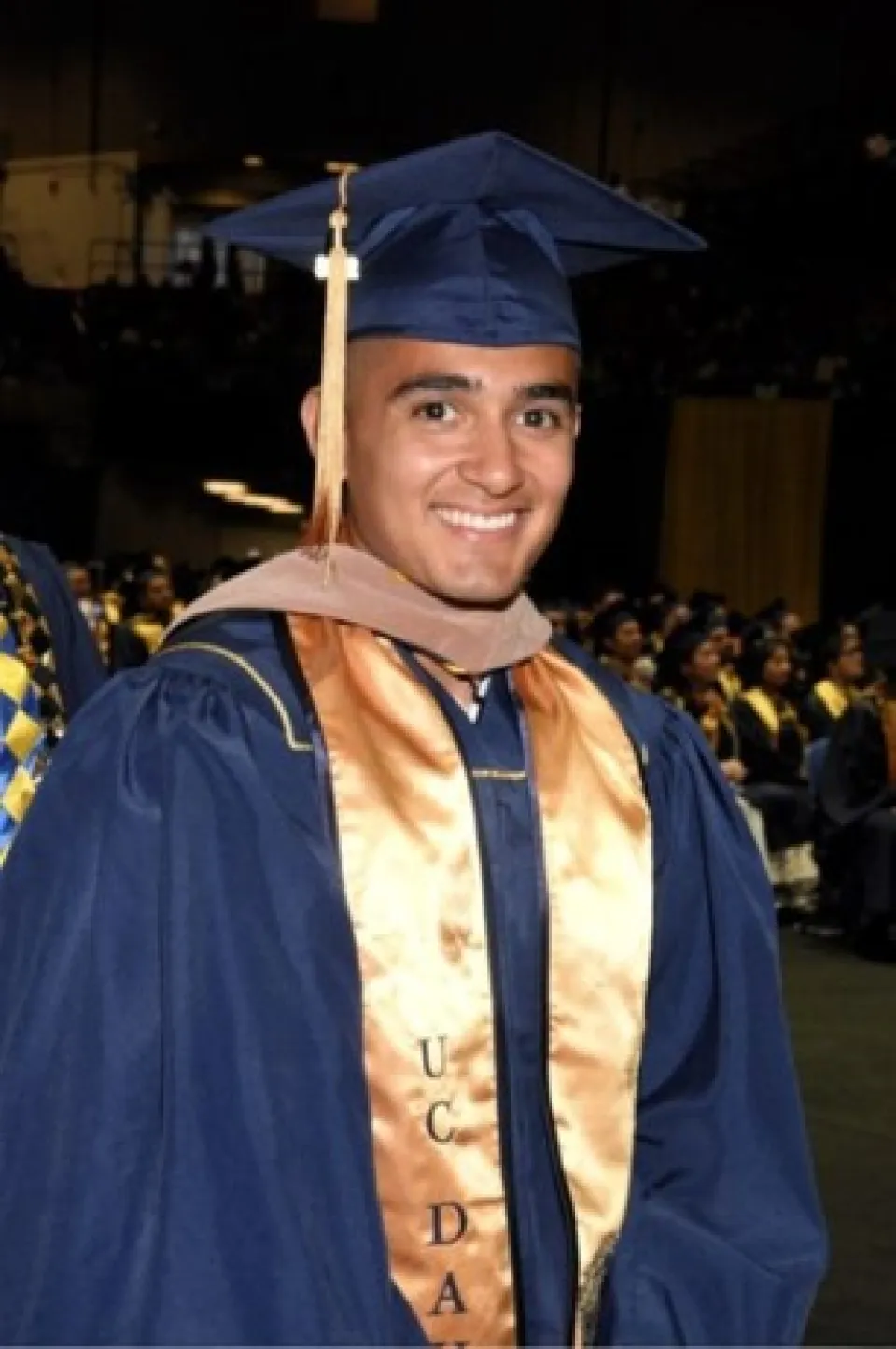
One month after graduating from the UC Davis Master of Science in Business Analytics program in June 2026, I started my first job as a sales development representative at Craft.co in San Francisco.
A year earlier, I wouldn’t have pictured myself in sales. I was finishing a statistics degree and looking for a way to stand out in the job market without putting my career on hold for two years.
A one-year MSBA seemed like the answer, though I assumed it would be a data science degree with a few business classes added. If you’re considering an MSBA and wondering where it might take you, here’s what I got wrong.
Learning to Explain Why the Data Matters
About half my courses were technical, and the other half focused on business. The connection between them came up again and again: I had to explain what an analysis meant for a real company and why anyone should act on it. I learned to translate technical findings into business implications that people without a technical background could use.
My professors helped make that lesson stick. Professor Olivier Rubel was hands-on and wouldn’t move to the next topic until the room understood the last one. When I spoke with him outside class about my career goals, his advice was blunt, practical and helpful.
Assistant Professor Jörn Boehnke, who taught machine learning and AI, regularly shared extra material for students who wanted to explore a topic further.
I hadn’t expected professors to be so accessible. Many were willing to sit down and talk through a class question, an industry I was curious about or where my career might go next.
Turning Bitcoin Analytics Into a Real Product
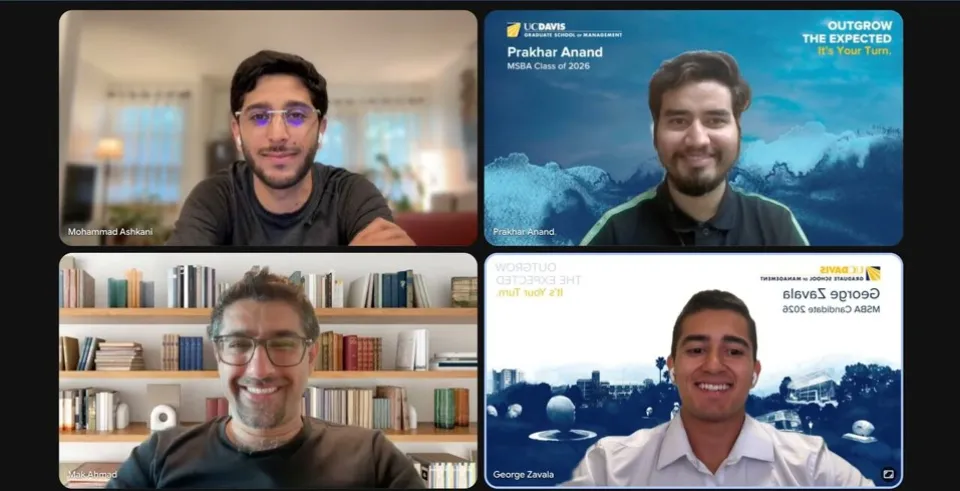
In my practicum project with the Trilemma Foundation, my classmates and I faced a question that went beyond building a good model: How could we make it useful to someone else?
With support from our coach, Lecturer Mak Ahmad, we worked on a project called Productizing Digital Asset Accumulation Models. Trilemma wanted to turn leading Bitcoin accumulation strategies from its Stacking Sats competition into interactive tools investors could use. Our work spanned model optimization, dashboard development and go-to-market strategy.
Working directly with Trilemma taught me to ask questions I hadn’t focused on as a statistics student:
- What does the client need to decide?
- What will an investor understand from this dashboard?
- What can someone actually do with our findings?
Technical accuracy mattered, but so did making the work useful.
Finding My Path Into Tech
That realization changed the kinds of careers I started considering.
During the program, I spoke with a UC Davis alum who worked as a Salesforce solutions engineer. I walked into the conversation expecting to talk about data science jobs and got kind of obsessed with what he did all day.
His work combined technology, problem-solving and working directly with people. I realized I wanted to explore careers where I could bring those skills together.
I talked with Rubel about tech sales and started investigating the field more seriously.
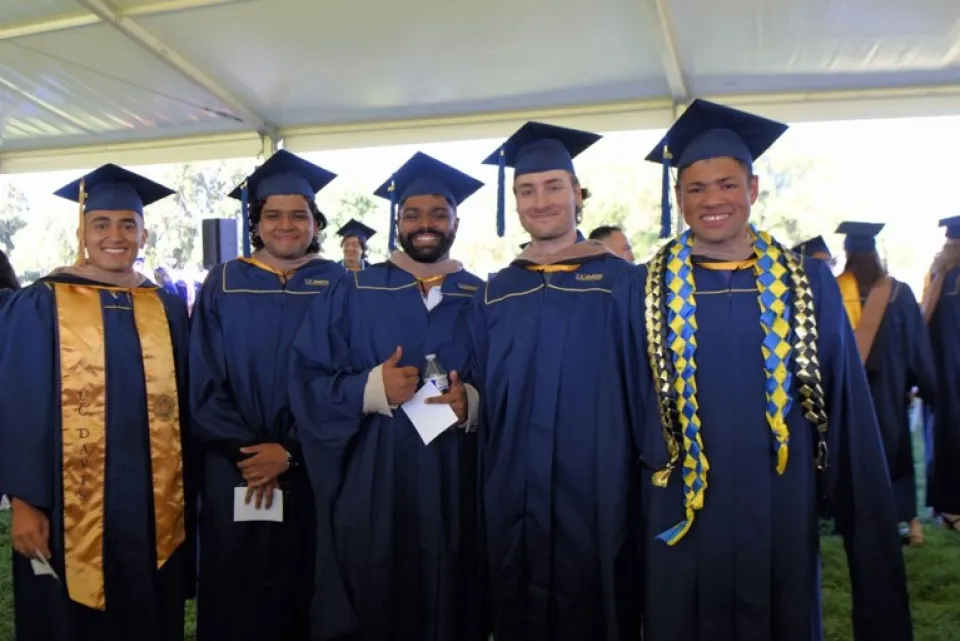
By the time I graduated, I could see a place for my analytics background in roles that required me to understand technical products, business problems and customers.
That's the path that led me to Craft.co.
I came to the MSBA with a foundation in statistics. Now, as a sales development representative, I’m pairing that foundation with the business skills I gained in the program to build my career in tech.
What I Would Tell Future MSBA Students
If you're considering the UC Davis MSBA, my best advice is simple: If you're going to be in the Bay Area, actually use it.
Attend events, get to know alumni and professors, and treat the practicum as a chance to work through a real client’s problem. Ask people what their jobs are actually like, especially when their titles don’t sound like the career you had in mind.
Then follow up. A conversation I expected to be about data science introduced me to a career path I hadn’t considered.
I entered the MSBA with one idea of what I’d do next; a month after graduation, I was starting a job in tech that brought together my interest in data, business and people.
Related content

From Med School Prep to Machine Learning at Google
How one Python class changed my whole plan and led me to the UC Davis MSBA

From Classmates to Co-Founders: How We Turned Group Projects into a Startup
"We noticed how naturally our strengths balanced out"

Bridging AI, Business Analytics and Leadership
Tech investor and alumna Shilpi Sharma shares insights with MSBAs