
How to Manage the COVID-19 Recovery
Professor Hemant Bhargava advises policymakers that reopening the economy should be viewed as a collection of simultaneous, rapid, data-driven science experiments.
Read on LinkedIn
Professor Hemant Bhargava advises policymakers that reopening the economy should be viewed as a collection of simultaneous, rapid, data-driven science experiments.
Read on LinkedIn

Professor Kim Eslbach says it's better to prevent burnout rather than treat it, and the best way to prevent it is boosting employee engagement, which clearly addresses the no-control-or-autonomy cause of burnout.

In Forbes, Lecturer Suzy Taherian explains how companies need to go back to the drawing board and build a resilient budget and forecast for 2020—and beyond.

“Many investors consider purchasing only stocks that have first caught their attention,” according to a study by Professor Brad Barber, ignoring low-risk stocks that have high potential in this volatile market.

The surge of COVID-19 information has been almost as overwhelming as the surge occurring in medical facilities. Lecturer Suzy Taherian says in many ways the digital divide has become a “digital chasm.”

Professor Alan Taylor tells the Wall Street Journal the government and the private sector are going deeper in the hole to survive the economic shutdown, which could be a drag on any future recovery.

For Forbes, Lecturer Suzy Taherian shares significant and fundamental changes ahead due to COVID-19, many of which will become permanent when the crisis abates.
It has only been three weeks as the order to shelter in place has taken effect but
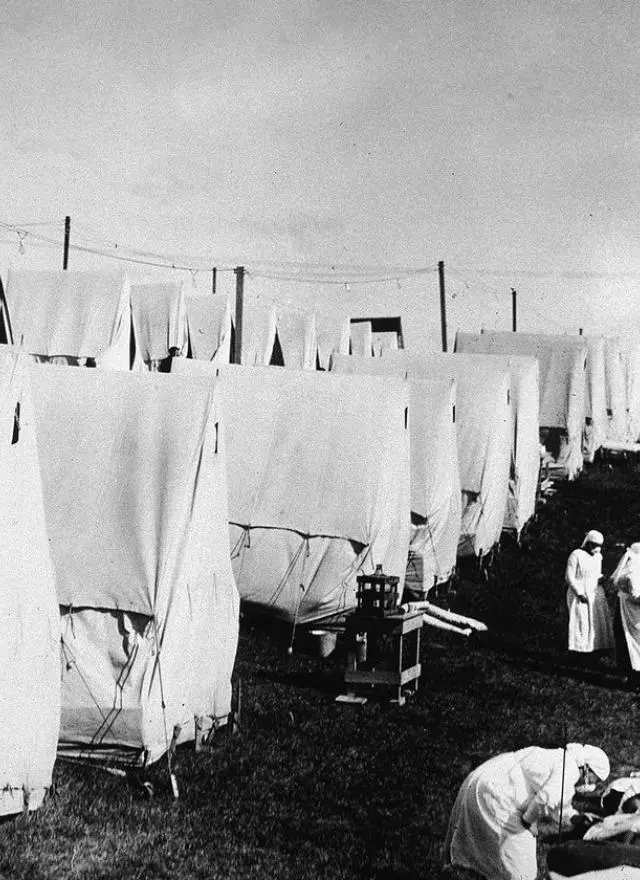
How worried should long-term investors be about the coronavirus pandemic? Professor Alan Taylor says “it’s an open question, since we have never had an age pyramid like this in past great pandemics.”

The coronavirus pandemic could harm the economy for decades if past patterns are a guide, according to Professor Alan Taylor, drawing on data going back to the 14th century.

UC Davis experts agree hoarding is wrong, but as Professor Donald Palmer explains, panic buying might actually be a rational response to public officials' messages during a chaotic crisis.

Professor Donald Palmer and UC Davis experts say political leaders' messages during COVID-19 outbreak scared people into over-buying—a rational response.

Professor Donald Palmer joins KCRA 3 TV News for a live question and answer session about hoarding and government messages to public about coronavirus pandemic.

Machine learning can be a great condiment for Tex Mex. MSBA student Yuting Li blogs about her team's analysis of Chipotle’s Yelp ratings and their recommendations.
As part of their Machine Learning course, M.S. in Business Analytics students Hao

Working remotely? Distracted by kids and dealing with shelter in place? Professor Kimberly Elsbach shows how to "be seen" by staying in touch with your supervisor.
Two, maybe three phones are ringing, your children are screaming for lunch, your cat

Amid the Coronavirus pandemic, Professor Donald Palmer describes how dissonant messages from public leaders have further eroded trust in government during times of crisis that brings with it panic buying and stock market collapse.

A growing number of people are working out of the office. But research from Professor Kim Eslbach shows that some managers harbor an unconscious bias against remote workers.

In this podcast episode of Negotiate Anything, Professor Kim Elsbach teaches us how to rebuild trust when it has been lost.

UC Davis joins other MBA programs with Science, Technology, Engineering, and Math (STEM) designation, thus making graduates eligible for as much as three years’ employment without a visa.

Professor Donald Palmer offers expert analysis to ABC Melbourne Radio regarding the role leadership plays in protecting institutions from financial damages during the Australian Royal Commission.

American companies are ignoring the risks of climate change at their own peril, according to a researcher Paul Griffin who warns that extreme weather caused by the climate crisis could result in a devastating economic recession.