KPMG Brings AI Tax Practice to UC Davis
Preparing MPAc students for the future of accounting
Artificial intelligence can generate tax answers in seconds. Knowing whether those answers are correct is still a human responsibility.
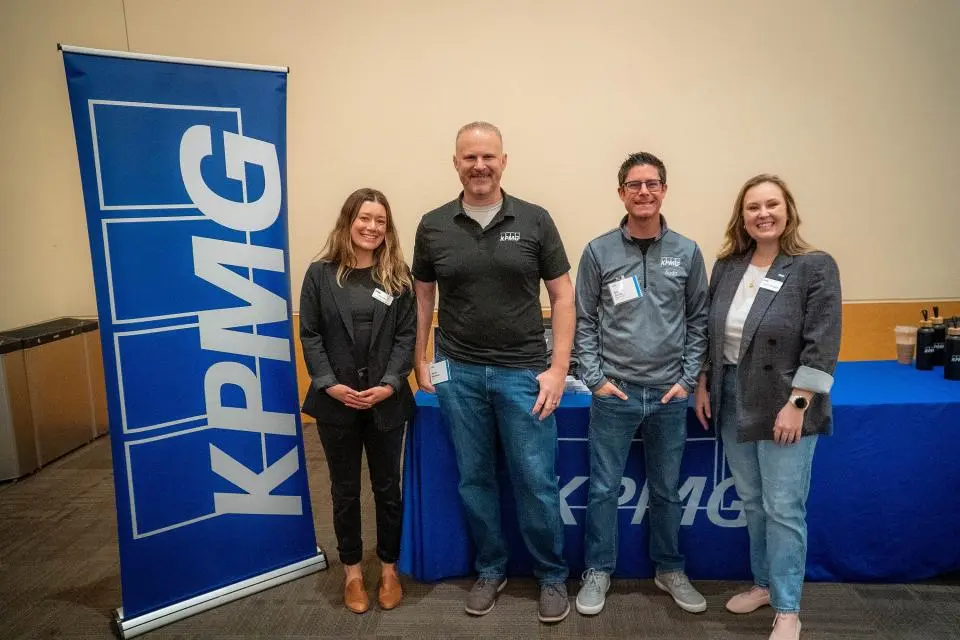
In the graduate taxation course I teach, I recently invited KPMG Managing Director Scott Dunaway and Senior Manager Josh Toft to share about how artificial intelligence is shaping tax practice.
Their visit provided students with a timely and practical look at how artificial intelligence is being integrated into the accounting profession—and, just as importantly, how professional judgment remains essential in an AI-enabled world.
Dunaway and Toft began the session by discussing how AI is already embedded in day-to-day professional work at KPMG. They explained that the firm uses a mix of external AI tools—such as Google Gemini and Microsoft Copilot—alongside KPMG’s internal generative AI platform designed specifically for tax research and technical analysis. This internal tool, they noted, allows professionals to leverage AI while maintaining firm-level controls, confidentiality and alignment with technical standards.
Prompt Writing: The New Professional Skill in Tax and Accounting
A recurring theme throughout the discussion was the importance of prompt writing. Dunaway and Toft emphasized that knowing how to ask the right questions is quickly becoming a critical professional skill. Small changes in wording, structure or assumptions can significantly alter AI-generated results. However, they were equally clear that strong prompts are only the beginning—not the end—of responsible AI use.
To drive this point home, the session included an interactive case study. Students broke into small teams and were asked to analyze a fact pattern involving potential international taxation issues. Each group was free to use any AI tool of their choosing to determine whether international tax rules might apply and how. When the class reconvened, students compared their findings.
The results were eye-opening. Even when groups used the same AI tool—and in some cases, nearly identical prompts—the answers varied in structure, depth and even conclusions.
The case study made the point clear. The KPMG guest speakers emphasized critical professional responsibility: AI output must always be validated.
They stressed that AI should be viewed as a powerful assistant, not an authoritative source, and that accountants remain accountable for verifying facts, interpreting the law and exercising judgment.
How AI Is Reshaping Accounting Careers
Beyond the technical discussion, Dunaway and Toft spent significant time answering student questions. These ranged from how AI is expected to reshape the future of accounting to broader career advice and reflections on professional growth at KPMG.
Toft’s perspective was especially meaningful for students, as he is himself a graduate of UC Davis. His career path offered a tangible example of how the skills developed in the program translate into professional success.
Overall, the visit provided students with a realistic and forward-looking view of the accounting profession—one where AI is an increasingly important tool, but ethical responsibility, critical thinking and professional judgment remain at the core.
The session reinforced that the future of accounting is not about replacing professionals with technology, but about equipping professionals to use technology wisely and responsibly.

Related content

Video: Exploring Accounting Opportunities at Meet the Firms Event
Exclusive career fair: 20+ firms network, recruit MPAc students


UC Davis MPAc Redefines Graduate School with Career Prep, Community Building—and Fun
Orientation mixes workshops, interviews and bonding with classmates